
January is National Stalking Awareness Month, and we talked to experts about how to deal with stalking.
Utah State University defines stalking as “the repeated harassment or invasions of privacy leaving a person in fear for her/his safety or the safety of loved ones.” Stalking may include:
· physically following another person
· repeatedly making unwanted contact with another person (i.e. coming to the person’s home, sending letters, emails, phone calls, text messages, messages through another person, etc.)
· closely observing a person’s actions for an extended period of time
· inappropriately contacting a person’s family members or friends
Stalking is against the law in the State of Utah. Depending on its severity, stalking can be charged as a misdemeanor or felony.
Stalking is a real issue. Luckily, USU’s Sexual Assault and Anti-Violence Information office is raising awareness for the students and making resources available to them. SAAVI acts as a advoate for students who are seeking aid not only against stalking, but sexual assault, sexual harassment, bullying and hazing.
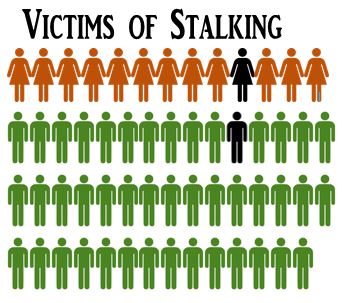
According to SAAVI officials, stalking is more common than most people think. Statistics provided by the SAAVI website say 1 in 12 women and 1 in 45 men will be stalked in their lifetime — additionally, 13 percent of college women are victims of stalking and 80 percent of stalking victims on campus knew their stalkers.
Most of the time incidents go unreported. Preventative measures aren’t taken, and people continue to behave inappropriately. A person’s consent is usually what determines a situation of this nature.
The first and best response to unwanted attention is saying no. Communicate it clearly so there can be no mistake in intentions. Several female students have suggestions to help discourage stalkers.
- Don’t make eye contact.
- Always travel in groups of people any time after dark.
- Keep a log, recording the events that transpire. Doing this will provide a record and make it easier to obtain help from authorities if needed.
SAAVI also has brochures, which provide a list of rights for survivors or stalking.
The most important thing to acknowledge with stalking is that it happens, and to say something when it does.


