
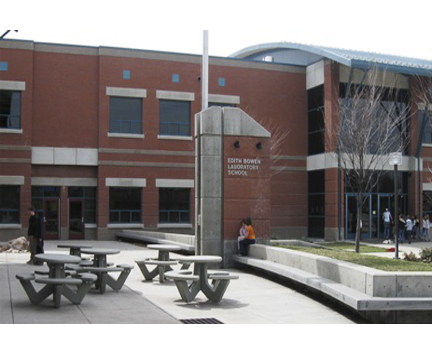
Walking into Edith Bowen Laboratory School for the first time, you can instantly tell that this school is different from other elementary schools.
To your left, a group of kids are following along with dance moves on a big screen T.V., while others are trying to balance large boxes of craft materials in their arms while their backpacks fall off their shoulders. As they walk to class they excitedly show the materials to friends and explain how their project is going to be the best.
The school altogether has and exciting atmosphere. Why? Because the kids there are excited to learn.
The biggest fear of the school’s director, Dan Jonson, is the “kids will learn that they don’t like school.”
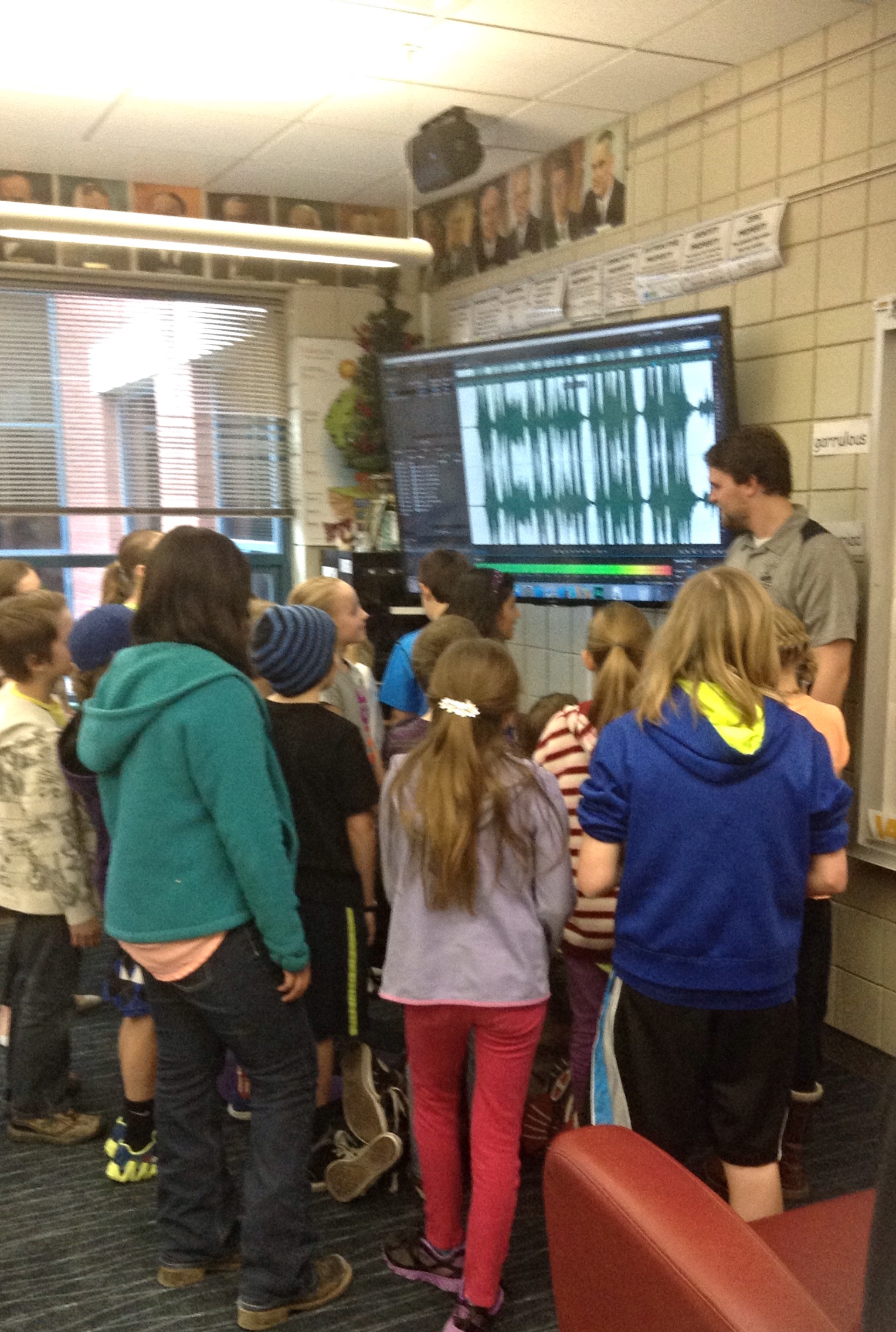
His fear though has yet to come true. The students are more than happy to talk about their favorite subjects and how much they love Edith Bowen. The only complaint came from a girl that doesn’t like the American cheese they serve in the cafeteria because “she wasn’t a fan of it.”
According to Julie Morley, the school’s assistant principal, what makes Edith unique is a curriculum that focuses on “developing the whole child.” The school’s curriculum goes farther than just teaching the students what they need to know to pass the standardized tests that Utah’s Education Board requires all elementary schools to take.
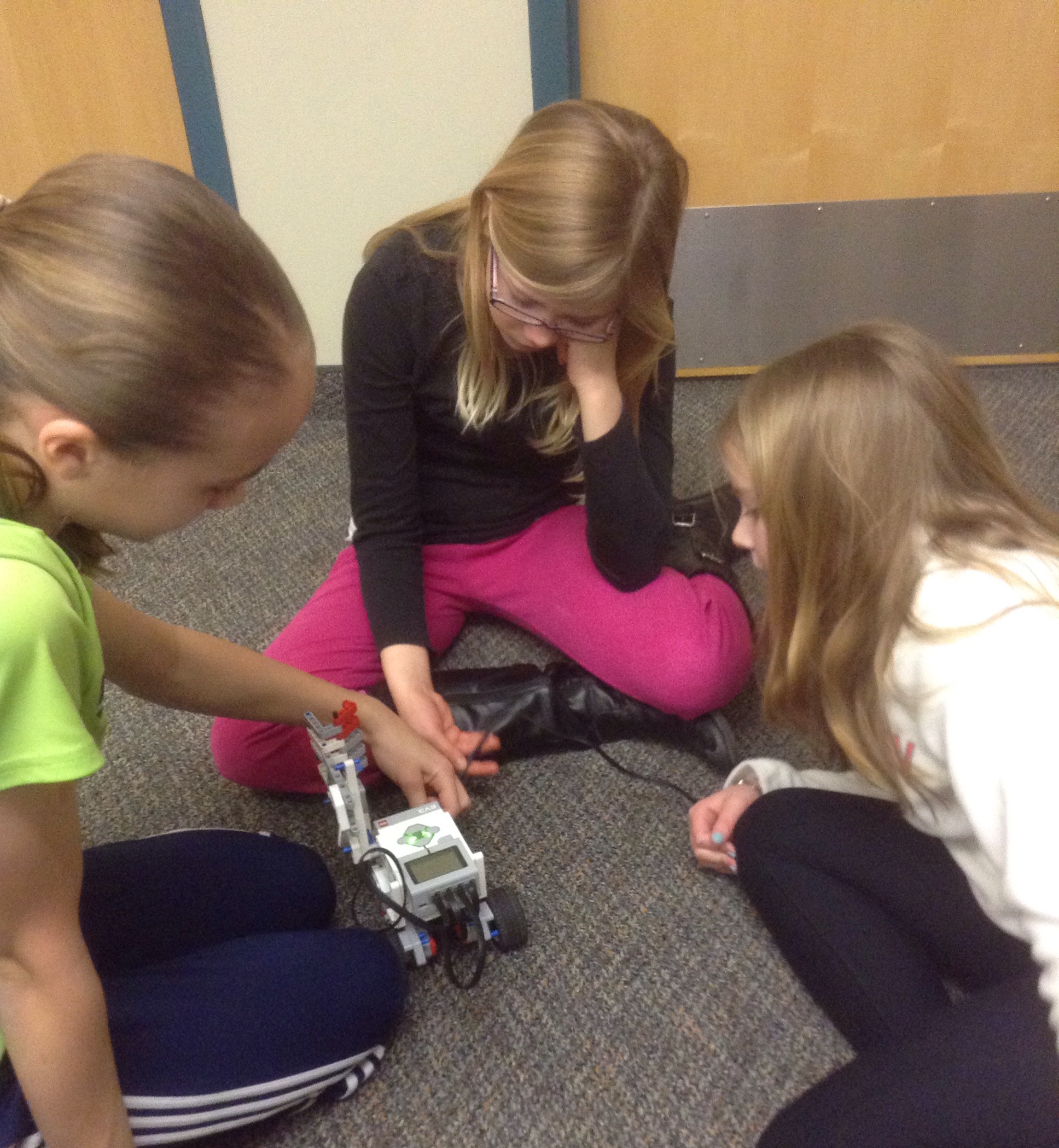
Students have the opportunity to learn at least three different languages, computer skills, dancing, singing and acting. They even have a robotics club and a student news team called Little Blue News Team.
The school as a whole tests well above average on the state standardized tests, which is great news for not only the faculty at the school but also for the professors at USU.
The laboratory part of Edith Bowen Laboratory School means that every once in a while a professor from Utah State University will come and try new methods of teaching a certain topic.
First a professor will come in and have the students take a pretest. After this they will go on to try their new method of teaching, while also teaching a control group of students the old method. Once the experiment is finished the students will take a posttest to see which method of teaching was more effective. Once the results are in, whichever group tested lower will be retaught using the method that worked better.
All of these experiments are, according to Dan Johnson, “vetted against good practice,” which is easy to see in the excellence and enthusiasm of the students.


