Written by Molly Van Engelenhoven
Mayday Parade is well known for their emotionally-charged ballads, full of power chords and heart-breaking lyrics that can get anyone through a breakup better than a six gallon tub of ice cream. Their music is an iconic part of fourth wave pop-punk, also known as “The Emo Invasion.” Fourth wave pop-punk began in 2003 and ended in 2007, including bands like The Maine and We The Kings.
Mayday Parade originated in Tallahassee, Florida and has retained all of its original members, besides Jason Lancaster, who left the band shortly after their first album was released. After Lancaster’s departure, Derek Sanders took over as the full time lead vocalist. Since then, they have released four full length albums, several EPS, and have gained a fiercely loyal fan base. They have headlined countless tours and played at plenty of festivals. This fall, you can see them at The Complex in Salt Lake City, on November 4th, with Real Friends, As It Is and This Wild Life.
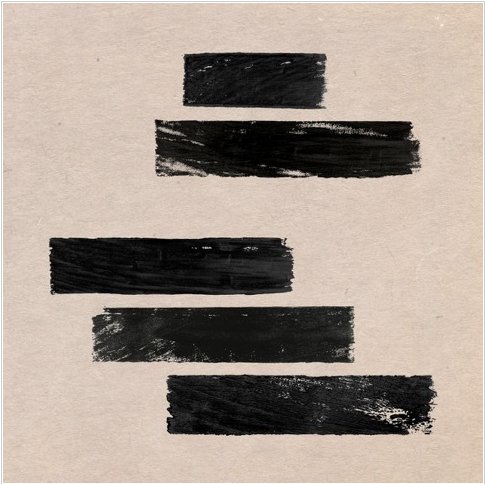
Most recently, they’ve released their fifth full-length album, “Black Lines.” Black Lines marks Mayday Parade’s experimentation with fifth wave, or “Revival Era” pop-punk. While they used to be paired with bands like All Time Low, this album is goes well with artists like The Wonder Years and Brand New. This isn’t exactly surprising, since the album was produced by Mike Sapone, producer of Brand New and Taking Back Sunday.
Black Lines exhibits many of traits of new wave pop-punk. It’s not all power chords and ex-girlfriends anymore. While listening to most of Mayday Parade’s previous hits, like “Oh Well, Oh Well,” or “When I Get Home, You’re So Dead,” you essentially feel like your heart is being ripped out by that cruel ex-girlfriend that Sanders is singing about. But Black Lines is different. The album doesn’t feel as emotionally charged as the others do, which isn’t necessarily a bad thing. Instead of a painful, heart-wrenching power ballad, it’s a softer, musically intricate experience that employs a gentle tug on the heart strings, and leaves the listener feeling just a little bit sad, even if they’re not sure why.
As usual, Sanders’ vocals exhibit the emotional weight of the words. However, with the new, less emotional style, he doesn’t sound like he’s choking back tears with every line as much. Probably his best vocal showcase is on the track “Letting Go,” a softer, acoustic song, where Sanders’ voice is airy and comforting, much like the song, but does not compromise the emotional integrity of the words.
The guitar work in this album is excellent. Brooks Betts, the lead guitarist gets to showcase his technique and skill in most tracks, including solos. This is best seen in “Hollow,” which features an intricate, if somewhat unexpected solo. That being said, the chord progressions get repetitive. “Underneath The Tide” and “All Of Me” sound so similar that I thought that they were the same song when I first listened to the album. The drums and bass seem to blend into the background as Betts and Garcia move to the forefront with their guitar work.
While not as emotionally exhausting as their other albums, Black Lines offers an excellent showcase of talent for Brooks Betts and Alex Garcia, guitarists and allows Derek Sanders to try on some new vocal styles. In this album, it is clear that Mayday Parade is look for their new, unique voice revival pop-punk, but they haven’t found it quite yet. Sometimes, it feels like listening to an album by Brand New. Black Lines is a great way for Mayday Parade to explore their style as a revival pop punk band, which will likely be solidified and perfected by their next album.
My top tracks: Keep In Mind, Transmorgification is a New Technology (this sounds more like their older songs), Letting Go, Hollow
Album Rating: 6/10


